
Four items. That's all I needed from Central Market on Lovers Lane, and by the time I got back to my own kitchen, two of them had vanished somewhere between the list and my head. I put the pen down, skipped the capsule bottle I usually reach for, and opened a new spreadsheet tab labeled, a little too literally, "audio entrainment — memory retention test."
Quick disclosure before anything else: some of the links below are affiliate links, including for the audio program this whole piece is built around. If you click through and buy, I earn a small commission — doesn't cost you anything extra, and it doesn't change what I'm about to tell you. I only write up things I've actually run through my own spreadsheet for weeks at a time.
The Thirty-Year Habit of Trusting My Own Head
For three decades I made my living catching other people's mistakes before the IRS did — reconciling ledgers, chasing down discrepancies buried four tabs deep in somebody else's workbook, keeping a working file of client histories without needing to look most of it up. I never gave my own brain a second thought. It was infrastructure, not something that needed maintenance.
The third time I blanked on a longtime client's name in the middle of a review meeting changed that. It wasn't a slow fade or a tip-of-the-tongue stall — the name was just gone, like a file that wouldn't open. I took early retirement not long after. Sitting at a desk all day stops making sense once the thing you built your whole career on starts feeling unreliable.
These days the work happens out of what used to be a spare bedroom in our ranch house here in Plano — an oak-veneer desk I hauled out of my old firm's office when they downsized, two monitors side by side with the tracking sheet pinned open on the left and whatever I'm researching that week on the right, and a whiteboard that's turned into a running list of ingredient names and question marks nobody but me can decode anymore. Coming up on a year of logging this stuff daily, I've got a shelf of empty and half-empty bottles lined up in the order I started testing them, which is either dedication or a mild personal problem depending who you ask. My old colleague Neil Trevisan, who I still call whenever I want someone to tell me I'm being gullible, didn't hold back when I mentioned testing a sound track instead of a pill. "So now you're paying to listen to static," he said. Fair question, honestly.
If you want the long version of how that tracking sheet is actually organized — the columns, the scoring, all of it — I laid it out in The Accountant's Guide to Structuring Your Brain Health Spreadsheet. Most of what I ran through it barely broke even, if I'm being honest about return on investment.
Why Stop Reaching for Another Bottle?
Six months of fish oil capsules from Costco — taken every morning without fail — did nothing I could find in the data. My friction score, the number I use to rate how much mental resistance I'm running into on a given day, sat in almost the exact same range at the end of that stretch as it did at the start. Not every input earns its spot on the balance sheet, and that one didn't.
That's roughly where this fit in. I didn't need the full physics lecture to run my own test, but if you want the technical backing, Wikipedia has solid entries on brainwave entrainment and the theta wave activity it's supposedly nudging you toward. A reader had pointed me toward something built around that idea called The Brain Song — an audio track instead of another bottle to swallow. What I can tell you is what showed up on my end of the spreadsheet, not how the sound waves allegedly talk to your neurons.
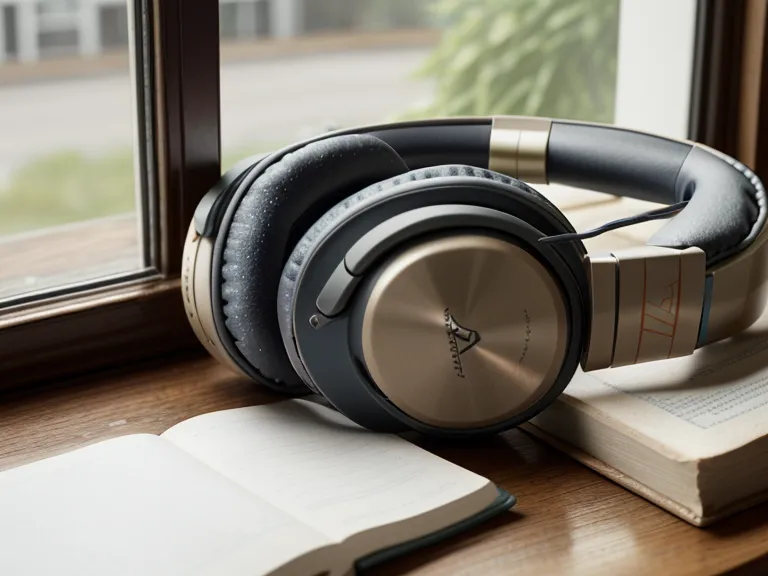
My first week of running it through the kitchen counter speakers taught me something I probably should've figured out on my own: mono playback cancels out whatever the two channels are supposed to be doing separately. Once I switched to a pair of old over-ear headphones and ran the track before the house woke up, the setup at least made sense on paper, even if the spreadsheet hadn't moved yet.

Hearing Loss Changes What Works for Older Adults
Here's something nobody flagged for me before I started: a lot of us past fifty carry some quiet high-frequency hearing loss we've never noticed in regular conversation, but it shows up the moment an audio program leans on spoken cues or layered sound puzzles. You end up spending your attention decoding the noise instead of settling into it. The Brain Song turned out to be built differently in a way I only appreciated after trying other audio approaches first — it's a steady, repetitive pulse, not a listening test. Nothing to strain for, nothing to mishear.
Worth reading before you assume every memory slip is something worse than it is: Understanding Normal Aging vs Cognitive Decline for Adults Over Fifty. Some of what gets chalked up to decline is really just sensory overload wearing a scarier costume.

Tracking the Memory Numbers Through Week Four
I started running The Brain Song every morning and treated it the same as every other test — same recliner, same headphones, same scoring before breakfast. The first couple weeks were flat. My daily score barely moved off a stubborn number in the low fives, and I was fairly convinced I'd found another entry for the did-nothing column.
By week four, something shifted enough that I noticed it outside the spreadsheet entirely. I was midway through a sentence to my son-in-law — explaining some errand, nothing important — when a word I'd been circling for three days just arrived, no searching, no "hang on, let me think." It landed in the sentence like it had never left. That's a strange thing to get excited about at my age, but there it is.
A reader named Dorinda emailed around that same point in my testing, asking exactly how I was scoring friction day to day — she keeps her own log now, which tells you something about who ends up reading a site like this. The honest answer is the same five-minute ritual every morning: a few memory prompts, a self-rating before coffee touches my system. The recall that matters most to me isn't party tricks, it's things like holding onto four numbers long enough to reconcile against a bill, which is the exact ground covered in Natural Ways to Clear Brain Fog During Complex Financial Tasks.
My logged friction score kept drifting down through the rest of that stretch, and by the time I closed out that round of testing, the recovery time on a stalled name or number had gone from long blank pauses to something closer to a few seconds of actual thought. Flipping back through old weeks too fast still catches the spiral wire against my thumb — a small reminder of how many pages have piled up since I started. I'm fifty-five, not twenty, so none of this turned into a steel-trap memory. It just got less exhausting to use the one I've got.
The Bottom Line, From One Spreadsheet Guy to Another
None of this makes me qualified to tell you what's happening inside your own head — I balanced ledgers for a living, not brains. If something about your memory changes suddenly or feels alarming, that's a conversation for your actual doctor, not a retired accountant with a spreadsheet habit.
From a pure return standpoint, audio struck me as a better bet than another subscription stack of capsules — no reorder reminders, no digestive guesswork, nothing to run out of at the worst time. The Brain Song is a one-time purchase rather than a recurring charge, which matters to someone who has watched enough auto-renewals quietly drain a checking account. There's a comparable option out there called The Genius Song if you ever want to run your own side-by-side, though I logged my numbers on the one I actually tested.
If you decide to run this test yourself, skip the mono speakers — use real stereo headphones from day one — and give it longer than a week before deciding it isn't working. A balance sheet needs more than one entry before it tells you anything true, and your memory is no different.