
Which one actually moves the needle on memory support after fifty: a single, well-dosed ingredient, or one of the all-in-one nootropic stacks marketed straight at seniors like a subscription box? I've spent a long stretch testing supplements for exactly this question, tracking the brain-health numbers the way I used to track billable hours, and I have an answer, though it isn't the tidy one either camp is selling. The short version: it depends on what you're actually trying to fix, and most people never sit down long enough to work that part out before they order anything.
A friend of mine who plays pickleball at the Allen Community Center twice a week asked me this straight out over coffee at the Corner Bakery Cafe on Legacy Drive — should he just buy the single bottle of one ingredient, or the stack with a dozen things listed on the label? My answer started with a question of my own: what's actually going wrong for him, recall, afternoon fog, or general follow-through?
He didn't have a clean answer, and that's exactly the problem with buying either option blind.
Single Ingredient or All-in-One Stack: Which Wins for Memory Support?
Here's the split that actually matters. A single ingredient, dosed at a standardized strength, lets you isolate cause and effect — if your recall moves, you know what moved it. A stack blurs that completely, because when ten things change your scores at once, you can't point to the one that mattered. There's a whole taxonomy of nootropic ingredients worth knowing beyond this split, more than I can map out in one piece, but the choice that actually decides your next purchase almost always comes down to this attribution question rather than to any individual compound. And what's printed on the front of that bottle and what shows up in your own numbers are two separate conversations, one that's cost me a bit of money to learn the hard way.
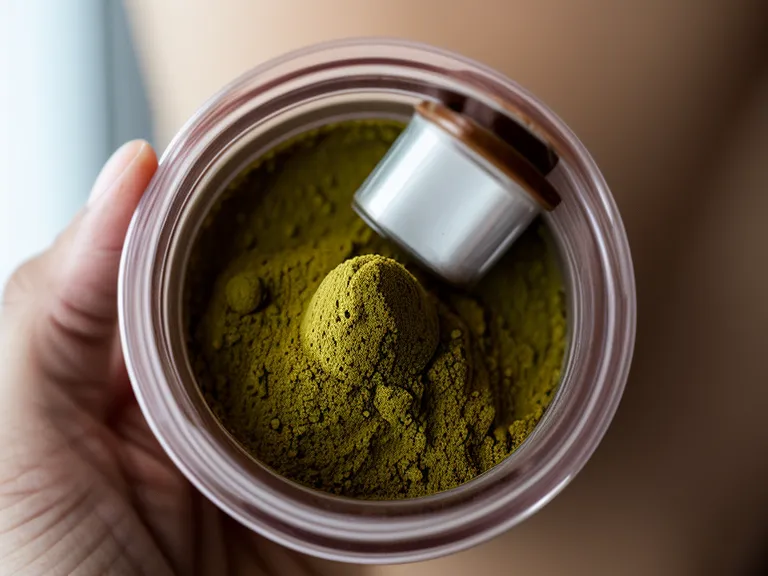
Bacopa monnieri is the cleanest example I've got of the single-ingredient side done right. Buy the plain leaf powder version and you're mostly paying for ground plant material with no consistent strength from batch to batch. Buy a properly standardized extract instead and you're paying for something a lab actually verified. Switching to the standardized version partway through my own testing showed up clearly enough in my standardized extract containing 45% bacosides log that I stopped buying the cheap kind entirely. That's the whole case for single ingredients in one sentence: you can actually watch the number move and know why.
Reading a Nootropics Label Like a Balance Sheet
Reading a supplement label is a lot like reading the footnotes on a set of financial statements — the part that matters is rarely the headline claim on the front. A "proprietary blend" on the ingredient panel means the company isn't required to tell you how much of anything is actually in the capsule, which would never fly on an actual balance sheet. I stopped buying anything with that phrase on it once I realized I had no way to audit what I was paying for. It doesn't matter which side of this comparison you land on, single ingredient or stack — if the label won't tell you what's inside, walk away from it.
Where the Single-Ingredient Approach Falls Apart
Ginkgo biloba is where I can point to a specific dud. I picked up a bottle of ginkgo biloba tablets from the CVS on Spring Creek Parkway on my way home one afternoon, assuming any ginkgo was the same as any other ginkgo. My focus numbers sat flat for longer than felt reasonable, and when I finally checked the label against what the actual research used, the CVS bottle wasn't close. That's the risk with single ingredients — the category name on the front tells you nothing about the compound inside, and a cheap version can sit on the shelf right next to a real one.
Absorption complicates the comparison further. I've noticed my numbers barely move on a stretch when my stomach is already off, regardless of which ingredient is technically in the capsule. For a wider look at natural supplements for focus and memory as retired professionals, that absorption variable ends up mattering as much as which category you picked in the first place.
The capsules for a single ingredient dosed at a real strength are never small — three of the large ones some mornings — and washing them down with whatever water is sitting on the counter, usually room temperature because I never remember to grab ice, leaves a dry catch at the back of my throat that the smaller stack pills never do. Both approaches still have to survive the afternoon slump, which is its own separate audit no matter what you're taking. And neither comparison means much if you don't control for how much coffee is already running through the same system that day, or whether you slept badly the night before — either one will wreck the numbers on both sides of the ledger.
Why Stacks Aimed at Seniors Still Need an Audit
Stacks earn their keep when you're dealing with more than one problem at once and you don't want four separate bottles cluttering the counter. Most of them still under-deliver on the ingredients that matter, burying a weak dose of something useful under a long list of filler compounds that sound impressive on the label. One of the only stacks that's actually passed my own audit is one I wrote up in The Neuro-Thrive Audit, mostly because it didn't hide its key ingredients behind a blend name the way most of them do.
I think about the value of a stack the same way I used to think about a client's return on a piece of equipment — what did the actual outlay return, not what the brochure promised it would return. Any honest comparison also has to account for the fact that simply expecting a supplement to work can move your own numbers a little on its own, so I never trust a single good stretch of scores on either side of this comparison before I believe it.
Tracking the Comparison Without Fooling Yourself
My own tracking has grown into more of a structure than a single sheet at this point, and I won't walk through the columns here — that's a separate conversation, and even my wife, who now lives with a spreadsheet carrying more tabs than our tax returns ever needed, thinks I've taken this a tab too far. The recall side of it, specifically the verbal kind, putting an actual name to an actual face, tends to move slower than focus does no matter which approach is running. But when it does move, you notice it in strange ways: my wife brought up a neighbor's name at the kitchen table once, a name I hadn't consciously reached for in a good while, and it was already sitting there, complete, before she'd even finished asking.
So here's the rule I actually gave my pickleball friend over coffee: pick the single, well-standardized ingredient when you've got one specific problem you're chasing (word recall, afternoon fog, whatever it is) because you can actually attribute a change to it. Pick the stack when you're juggling more than one issue at once and you're willing to trade some of that attribution for convenience. Neither is a miracle pill. Both are just line items you get to audit, the same as anything else you'd spend real money on.